

Adult Toys



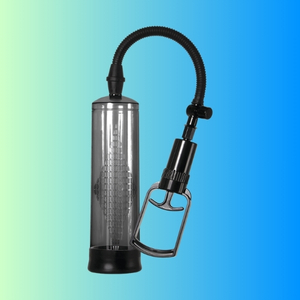
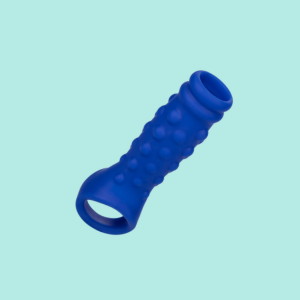




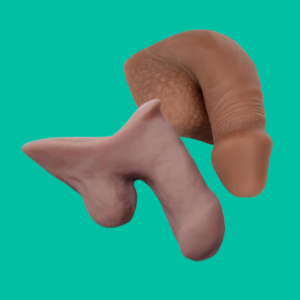
















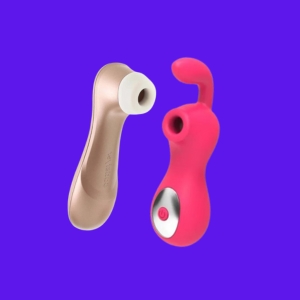


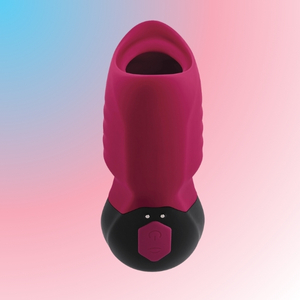
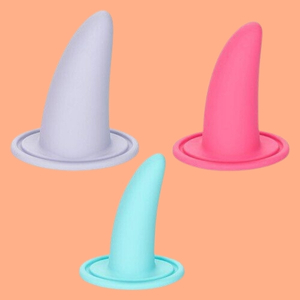




Best Selling Products


Frequently Asked Questions
Silicone, glass, and stainless steel are non-porous, easy to sanitize, and hypoallergenic (ideal for internal use and sharing). TPE and PVC are porous, softer, and more affordable, making them great for beginner experimentation. Always check the product description for care instructions. Porous and nonporous materials require thorough washing with soap and warm water after each use, and should not be shared without a condom.
Wash all toys with warm water and mild, antibacterial soap or a dedicated toy cleaner before and after each use. For silicone, glass, or metal toys, you can also boil them for 3 minutes to sterilize. Always dry completely before storing to prevent mildew and store in a toy-safe bag to reduce lint and dirt build up.
This depends entirely on the toy’s material. Water based lubricants are universally safe for all toy materials. Silicone based lubes are consistently safe for use with glass, metal, or ABS plastic toys. Be careful using silicone lube with silicone toys, as it can create a chemical bond which degrades the surface of the toy affecting both its usability and life span.
This is really personal preference, but it is often recommended that beginners start with smaller toys with a diameter of no more than 1.5 inches and gradually increase over time. The body needs to acclimate; forcing anything large inside of your body can cause microtears. Whatever you desire, go slow, use plenty of a lube and listen to your body. Pain means stop. Pay attention to "insertable length” versus total length, only the insertable portion matters for fit and comfort.